Published October 7, 2026 · Grand Natural Inc.
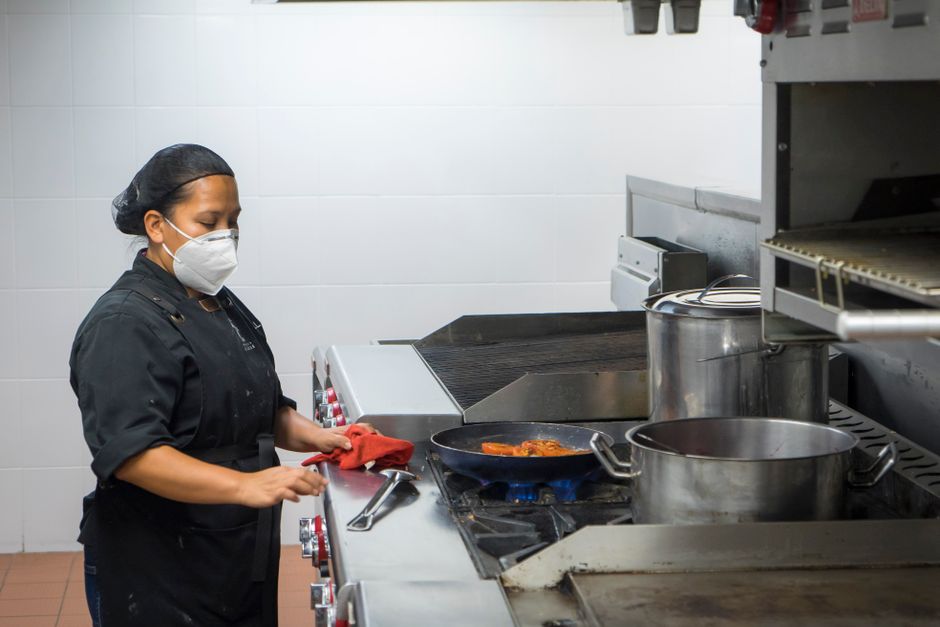
Chicago has one of the densest restaurant markets in the country, and every one of those kitchens sends wastewater into a shared sewer system. Grease that gets past a kitchen's interceptor cools and hardens in the lines, causing blockages and backups. That is why food service establishments in Chicago and Cook County are expected to install grease interceptors and keep them maintained. This guide covers the basics. Always confirm current requirements with the City of Chicago and your local sewer authority, because rules are updated and vary by municipality.
Who regulates grease in Chicago
Two layers of rules apply to most Chicago restaurants:
- The City of Chicago plumbing code. Chapter 18-29 of the Chicago Municipal Code governs plumbing, and section 18-29-1003.3.1 addresses when grease interceptors and automatic grease removal devices are required. The Department of Buildings handles plumbing permits and inspections.
- The Metropolitan Water Reclamation District of Greater Chicago (MWRD). MWRD operates the regional wastewater system. About 125 municipalities, sanitary districts and other agencies send sewage into its interceptor sewers, and sewer construction in Cook County goes through its permitting process.
If your restaurant is in a suburb rather than the city itself, your municipality or sanitary district may have its own grease ordinance on top of these. Check with your local public works or building department.
Installation basics
MWRD's technical guidance notes that a restaurant or facility that prepares food will usually require a grease interceptor or basin. For projects reviewed under its sewer permitting rules, the guidance also states:
- An interceptor located outside the building needs a construction detail on the plans, with cleanouts both upstream and downstream so it can be maintained.
- Dishwasher discharges must bypass the grease trap.
Sizing depends on the fixtures connected and the flow through them, and is set by the plumbing code and your engineer or licensed plumber. New builds and major remodels should resolve interceptor sizing and location during plan review, because moving an interceptor later is expensive.
Maintenance: how often to pump
The right schedule depends on the size of your interceptor and how much grease your kitchen produces. A widely used industry standard is to pump before fats and solids reach about 25 percent of the interceptor's depth. Busy Chicago kitchens, especially those with heavy frying, often need service monthly, while lower-volume kitchens may go longer. Measuring grease and solids levels at each visit is the only reliable way to set your interval. See our guide on how often to clean a commercial grease trap.
Records to keep
Keep a service record for every pump-out showing the date, the provider, the volume removed and where the waste was taken. If an inspector, your landlord or a sewer authority investigating a blockage asks for proof of maintenance, those records are your defense. Digital records are easier to produce than a folder in the back office.
Common problems in Chicago kitchens
- Winter freezing and hardening. Outdoor interceptors and lines cool quickly in Chicago winters, so grease solidifies faster. Do not stretch service intervals in cold months.
- Older buildings. Many Chicago restaurants operate in older buildings with undersized or hard-to-reach traps. Know where yours is and how to access it.
- Shared plumbing. In multi-tenant buildings, one tenant's grease can affect everyone. Coordinate with your landlord on maintenance responsibilities.
- Fryer oil in drains. Used fryer oil should go into a collection container, never into a sink. Pouring it down the drain overloads the interceptor almost immediately.
Grease trap service in Chicago
Grand Natural provides grease trap cleaning, used cooking oil collection and hood cleaning for Chicago restaurants, with full pump-outs and digital service records for every visit. See our Chicago service page or learn more about our grease trap cleaning service.
Need service for your kitchen? Grand Natural provides used cooking oil collection, grease trap cleaning, hood cleaning, and kitchen line jetting to restaurants nationwide. Call (855) 519-5550 or request service online.