Published July 3, 2026 · Grand Natural Inc.
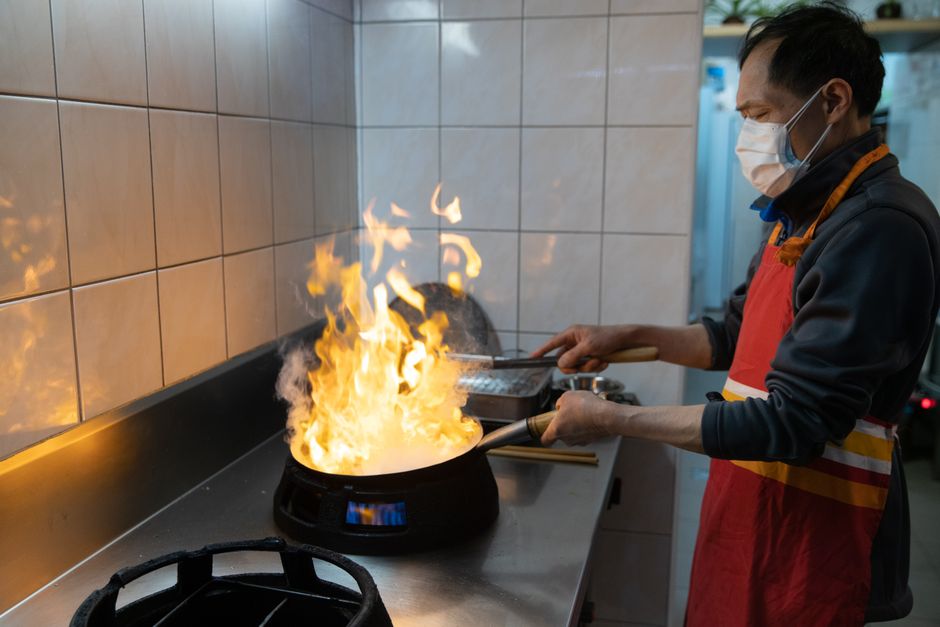
Why Grease Buildup Is a Fire Hazard
Cooking oil, animal fats, and food particles create a sticky, highly flammable residue on surfaces, equipment, and ventilation systems. Unlike paper or wood, grease fires burn extremely hot and can reignite quickly. Once grease accumulates inside a hood or exhaust duct, a single spark or high cooking temperature can turn a routine dinner service into an emergency.
The danger grows because grease deposits are often out of sight. Ductwork above the hood, fan blades, and rooftop exhaust components collect layers of residue over time. By the time a fire starts, the fuel load can be significant enough to overwhelm a standard suppression system.
Automatic fire suppression systems are designed to handle flare-ups at the cooking surface, but they may not fully extinguish fires that have spread into heavily coated ducts. That gap is why hood and duct cleanliness is considered part of fire protection, not just sanitation.
Where Grease Hides in Your Kitchen
Most managers know to wipe down ranges and fryers, but fire risks often come from places staff rarely inspect. Check these areas on a regular schedule:
- Exhaust hoods and filters: Filters trap grease before it enters ducts, but they clog fast under heavy use.
- Ductwork and fan assemblies: Horizontal ducts and upblast fans collect grease that filters miss.
- Behind and under equipment: Fryers, charbroilers, and griddles splash grease into corners and onto walls.
- Roof exhaust and access panels: Rooftop grease buildup can ignite and damage the building exterior.
- Dumpsters and storage areas: Spilled grease on floors or containers can spread flames if a fire starts nearby.
Cleaning and Maintenance Best Practices
Consistency matters more than any single deep clean. Build a schedule that matches your cooking volume and menu. A 24-hour diner using fryers daily needs more frequent service than a café with light breakfast service.
Daily tasks should include cleaning hood filters, wiping down surfaces, emptying grease traps, and inspecting drip trays. Weekly or monthly tasks may include degreasing walls, checking exhaust fan belts, and confirming that fire suppression nozzles are not blocked.
Professional hood and duct cleaning should be performed on a schedule appropriate for your operation. Many jurisdictions reference standards such as NFPA 96, but local fire and health departments set the actual enforcement rules. Keep certificates of service on file and document every cleaning with photos or signed logs.
Pay attention to the type of cooking you do. Solid fuel appliances, charbroilers, and wok stations typically produce more airborne grease and carbon than standard ranges. Adjust your cleaning frequency accordingly, and consult your local fire marshal if you are unsure what interval is required in your area.
Staff Training and Daily Fire-Safe Habits
Your suppression system is only as reliable as the people working around it. Train every cook, porter, and shift lead on the basics of grease fire response.
Emphasize never throwing water on a grease fire, keeping flammable items away from open flames, and knowing where fire extinguishers and suppression pull stations are located. Conduct regular fire drills so staff can react calmly if a hood or fryer flares up.
Also teach crews to report early warning signs: yellow or brown staining near exhaust vents, lingering smoke odors, reduced airflow, or unusual heat around the hood. Catching these signs early can prevent a full-scale fire.
Post clear signage near fryers and griddles reminding staff how to respond. Review the location of Class K extinguishers and how to activate the kitchen hood suppression system. Even experienced cooks can panic during a flare-up, so repetition during onboarding and refresher training is essential.
When to Call a Professional
Some tasks belong to trained service providers. Hood and duct cleaning above the cooking line requires proper access, tools, and disposal methods. Grease trap pumping, high-pressure line jetting, and used cooking oil collection also need specialized equipment to handle fats, oils, and grease safely.
Companies like Grand Natural help restaurants manage the full grease lifecycle—from routine used cooking oil recycling to hood and exhaust cleaning—so flammable residue is removed before it becomes a hazard. Partnering with a service provider that understands commercial kitchens can simplify compliance and reduce fire risk.
Before hiring a provider, ask about their experience with commercial kitchen systems, how they document work, and how they dispose of waste streams. Reliable documentation is valuable if your facility is inspected by fire, health, or insurance personnel.
Conclusion
Commercial kitchen fire safety starts with controlling grease. By targeting the hidden places where grease collects, sticking to a realistic cleaning schedule, and training staff to spot warning signs, you protect people, property, and your ability to keep serving customers. Make grease management a daily priority, and fire risk drops dramatically.
Need service for your kitchen? Grand Natural provides used cooking oil collection, grease trap cleaning, hood cleaning, and kitchen line jetting to restaurants nationwide. Call (855) 519-5550 or request service online.