Published August 3, 2026 · Grand Natural Inc.
Choose the Right Containers and Placement
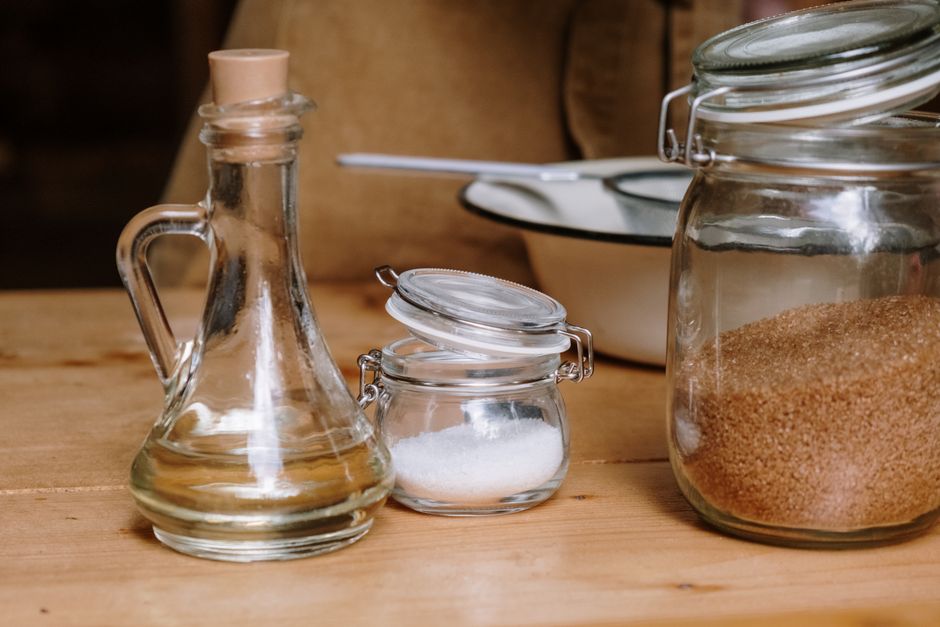
Every oil in your kitchen—fryer shortening, blended oils, finishing olive oil—needs a container and location that protects it from heat, light, moisture, and physical damage. Start with food-grade vessels made from materials that will not react with oil, such as stainless steel or approved food-safe plastics. Avoid repurposed chemical buckets, cardboard, or open pots.
Placement matters as much as the container itself. Store oil on stable shelving or racks that can handle the weight, and keep containers off the floor to reduce contamination and pest risks. Position storage away from busy traffic lanes, dish areas, and any floor drains or water sources. If you store bulk oil in totes or tanks, use secondary containment such as drip pans or bunds so a small leak does not become a slip hazard or environmental issue.
- Use food-grade, closed-lid containers: Tight-fitting lids limit oxidation, keep out water, and reduce odor.
- Keep containers off the floor and away from drains: This protects product quality and helps prevent spills from reaching wastewater systems.
- Add secondary containment for bulk storage: Drip trays or containment pallets catch leaks before they spread.
- Separate fresh and used oil: Clearly different storage zones reduce the chance of cross-contamination or accidental reuse.
Label and Rotate Oil to Prevent Misuse and Waste
Mislabeled oil leads to flavor problems, potential allergen issues, and wasted product. Treat cooking oil like any other ingredient in your inventory system. Each container should show the oil type, lot or supplier information, opening or decanting date, and any allergen notes if applicable. If your kitchen uses multiple fryers with different oil blends, label the fill lines or dispenser nozzles too.
Rotation is just as important as labeling. First-in, first-out (FIFO) keeps older oil used before newer stock, which reduces rancidity and helps you avoid dumping unused product past its quality window. Train staff to check labels before refilling fryers or finishing dishes, and schedule regular inventory checks so containers do not sit unused for months.
- Date every container: Include the opened or received date, not just the manufacturer’s best-by date.
- Mark allergens and oil type: Peanut, soy, and blended oils can carry allergen concerns.
- Practice FIFO rotation: Move older stock to the front and use it first.
- Discard compromised oil: Cloudy, foamy, off-color, or sour-smelling oil should be removed from service.
Control Temperature and Protect Against Contamination
Oil quality drops quickly when it is exposed to heat, light, air, and water. Store oil in a cool, dry area away from ovens, fryers, steam tables, and direct sunlight. Even moderate warmth accelerates oxidation, while light can break down delicate fats in finishing oils. A dedicated, climate-stable storeroom or pantry is usually better than a corner of the hot line.
Water is another enemy. Even a small amount of moisture can cause dangerous spattering in a fryer and speed up oil breakdown. Always let hot oil cool before transferring it, and make sure transfer jugs, funnels, and storage lids are completely dry. Keep lids closed between uses, and never store oil where it could be splashed by sinks, mops, or cleaning chemicals.
- Cool oil before moving it: Hot oil can warp containers, create condensation, and pose burn hazards.
- Maintain dry equipment: Wet funnels or jugs introduce water into the oil.
- Minimize air exposure: Replace lids promptly after each use.
- Store away from chemicals: Keep detergents, sanitizers, and pest-control products in a separate cabinet.
Reduce Fire Hazards and Keep the Storage Area Clean
Cooking oil is combustible, and a cluttered storage area raises the chance that a small ignition source turns into a major fire. Designate oil storage away from open flames, pilot lights, and hot equipment. Make sure the area has adequate ventilation and is not used as a dumping ground for boxes, paper, or other flammables.
Spill control is part of daily safety. Keep absorbent pads, kitty litter, or a commercial spill kit nearby, and train staff to report and contain leaks immediately. Clean floors and shelving regularly so grease does not accumulate. When moving hot oil, use proper gloves, closed-toe shoes, and stable carts. Never add water to hot oil or attempt to extinguish an oil fire with water—use the appropriate Class K or dry chemical extinguisher your fire-safety professional recommends.
- Keep ignition sources away: Store oil at a safe distance from flames, hot ducts, and electrical panels.
- Control clutter: A clear storage area improves airflow and reduces fuel for a fire.
- Maintain spill supplies: Absorbent materials and dedicated cleanup tools should be within reach.
- Train staff on hot-oil emergencies: Post emergency procedures and refresh them during safety meetings.
Plan for Used Oil Collection and Recycling
Used cooking oil storage deserves the same attention as fresh oil. After oil has reached the end of its useful life, let it cool to a safe temperature, then transfer it to a dedicated, leak-proof used oil container with a tight lid. Many restaurants use a portable caddy for daily collection and a larger outdoor tank for storage between pickups. Whatever system you choose, make sure containers are clearly marked “Used Cooking Oil” and kept away from trash, recyclables, and cleaning chemicals.
Regular collection prevents overflowing tanks and discourages theft, which can be a concern in some areas. Keep simple pickup logs that note dates, volumes, and hauler information; these records are useful for maintenance and may support local reporting requirements. If you are unsure how often to schedule service, base frequency on your fryer volume and seasonal rushes.
A waste oil recycling partner such as Grand Natural can help set up scheduled used cooking oil collection, supply secure storage containers, and keep your back-of-house storage areas clean and compliant. Recycling used oil also keeps it out of drains and landfills, supporting a more circular operation.
- Cool before transferring: Hot oil can melt hoses, damage seals, and injure staff.
- Use secure, labeled containers: Lockable outdoor tanks reduce theft and keep wildlife out.
- Never pour oil down drains: Grease buildup leads to clogs, backups, and costly plumbing repairs.
- Keep collection records: Track volumes and pickup dates for maintenance and compliance.
Putting It All Together
Smart cooking oil storage is a mix of good containers, clear labels, temperature awareness, fire prevention, and responsible disposal. These practices protect your product, your staff, and your equipment while making day-to-day kitchen work smoother. Start with one or two changes this week, and build a storage routine that your team can follow consistently.
Need service for your kitchen? Grand Natural provides used cooking oil collection, grease trap cleaning, hood cleaning, and kitchen line jetting to restaurants nationwide. Call (855) 519-5550 or request service online.