Published August 7, 2026 · Grand Natural Inc.
What drives hood cleaning frequency?
Your exhaust hood is designed to capture heat, smoke, steam, and airborne grease. Over time, grease deposits build up on filters, duct walls, and the exhaust fan. The faster that grease accumulates, the more often the system needs a thorough cleaning.
Several practical factors determine how quickly grease builds up in your system:
- Cooking volume: More meals per day means more grease-laden vapors moving through the hood.
- Menu composition: Fried foods, fatty proteins, and wok cooking produce heavier grease loads than baking or steaming.
- Fuel source: Solid fuels such as wood and charcoal create additional creosote and ash deposits that require attention.
- Hours of operation: A kitchen open late or around the clock will accumulate grease faster than one serving lunch only.
- Hood and duct design: Long duct runs, horizontal sections, and systems without easy access points can trap grease and slow drainage.
Because every kitchen is different, the safest approach is to treat published schedules as starting points and adjust based on your actual grease accumulation.
Hood cleaning frequency by restaurant type
Most fire and safety standards, such as NFPA 96, base cleaning intervals on the level of grease production rather than a rigid calendar. The following categories describe common intervals kitchen managers use as a baseline.
High-volume frying and 24-hour operations
Restaurants with multiple fryers, griddles, and charbroilers that run continuously often need hood and duct cleaning every month. Examples include busy quick-service chicken or burger concepts, casinos, and all-night diners. Monthly service helps prevent heavy buildup in hard-to-reach ducts and reduces fire risk in areas with constant heat.
Wood-burning and solid-fuel cooking
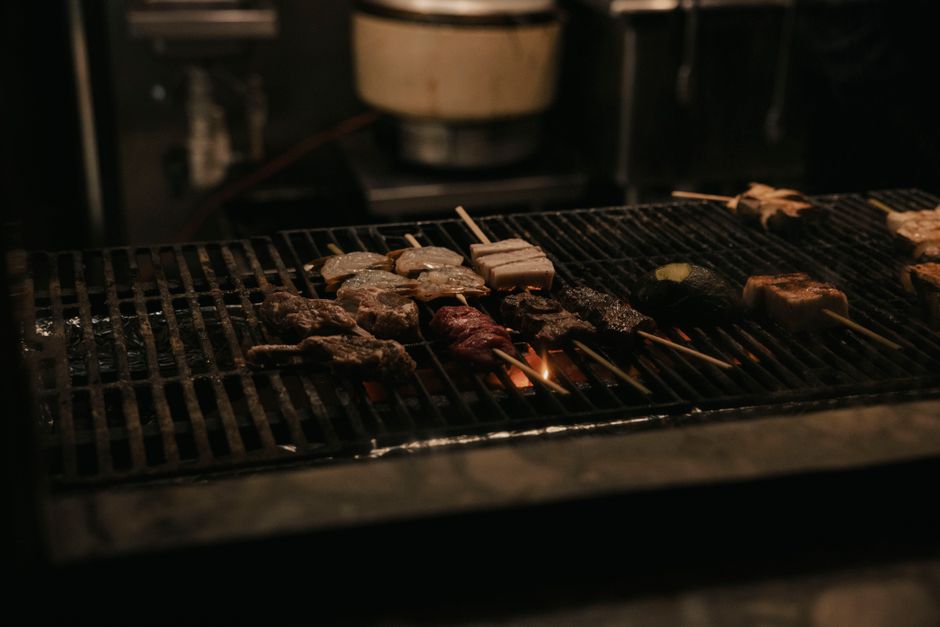
Pizzerias, barbecue pits, and steakhouses that cook with wood or charcoal generally fall into the most frequent cleaning category. Solid fuel produces creosote and ash, which can accumulate rapidly and increase the chance of a hood or chimney fire. Many of these kitchens schedule monthly cleanings and also inspect flues and fans more often during high-volume seasons.
Fast-casual and quick-service restaurants
Fast-casual concepts with moderate grease production, such as sandwich shops with fryers or Mexican concepts with griddles, often clean every one to three months. The exact interval depends on how many covers you serve and whether your menu relies heavily on frying or searing. If grease is visible on filters within weeks, move to a monthly schedule.
Full-service and sit-down restaurants
Full-service kitchens that balance sauté, roasting, and some frying usually schedule hood cleaning every three months. Seasonal menu changes can shift this: a summer fried-seafood special or holiday catering push may require an extra service between regular appointments.
Light cooking and commissary kitchens
Operations that primarily bake, steam, rethermalize, or prepare cold foods may only need cleaning twice a year. However, even low-grease kitchens should still inspect filters monthly and clean accessible surfaces to maintain airflow and odor control.
Institutional cafeterias and catering halls
Schools, hospitals, corporate cafeterias, and banquet facilities often have variable menus and service windows. A quarterly schedule is common, but high-volume catering seasons or large events may call for more frequent service. It is wise to inspect the system before and after peak periods.
Fuel type and exhaust configuration
The type of fuel you use affects both the amount and the composition of residue in your exhaust system.
- Gas and electric cooking: These produce grease-laden vapors that coat hoods and ducts. Frequency depends mainly on the amount of frying and grilling you do.
- Solid fuel: Wood, charcoal, and mesquite produce creosote and soot in addition to grease. These systems often need more frequent cleaning and separate flue or chimney maintenance.
- Wok cooking: High-heat wok stations generate intense volumes of vapor and grease, especially when combined with powerful exhaust capture.
Exhaust design also matters. Long horizontal duct runs, low-velocity fans, and ducts with multiple turns give grease more places to settle. Kitchens with these layouts may need shorter intervals than kitchens with short vertical exhaust runs.
Warning signs you are overdue
Even the best schedule should be adjusted when conditions change. Watch for these signs that your hood needs cleaning sooner than planned:
- Grease dripping from filters, seams, or the exhaust fan housing.
- Persistent odors that remain after normal ventilation.
- Visible smoke or haze hanging in the kitchen.
- Reduced airflow, hot spots, or steam not clearing quickly.
- Filters that become saturated within days of replacement.
- Unusual fan noise or vibration, which can indicate imbalance caused by grease buildup.
- Recent fire inspection comments about grease accumulation.
If you notice any of these, schedule a cleaning and reassess your interval. Waiting until the next planned service can increase fire risk and may lead to code violations.
Documentation and choosing a cleaning partner
Local fire codes and insurance requirements vary, so always confirm the rules that apply to your jurisdiction. Many authorities accept cleaning records, before-and-after photos, and certification stickers as proof of compliance.
Keep a service log that includes the date, areas cleaned, condition notes, and any recommendations. A consistent record helps you prove compliance during inspections and makes it easier to spot trends in grease buildup.
When you hire a hood cleaning provider, ask about their process for accessing ductwork, cleaning fans, and disposing of grease waste. Experienced providers, including Grand Natural, can help you set a realistic schedule based on your menu, volume, and exhaust layout rather than a one-size-fits-all calendar.
Conclusion
There is no single correct hood cleaning frequency for every restaurant. Match your schedule to your actual grease production, fuel type, and cooking volume, then adjust as conditions change. A well-maintained exhaust system protects your staff, guests, and property while keeping your kitchen running efficiently.
Need service for your kitchen? Grand Natural provides used cooking oil collection, grease trap cleaning, hood cleaning, and kitchen line jetting to restaurants nationwide. Call (855) 519-5550 or request service online.