Published August 12, 2026 · Grand Natural Inc.
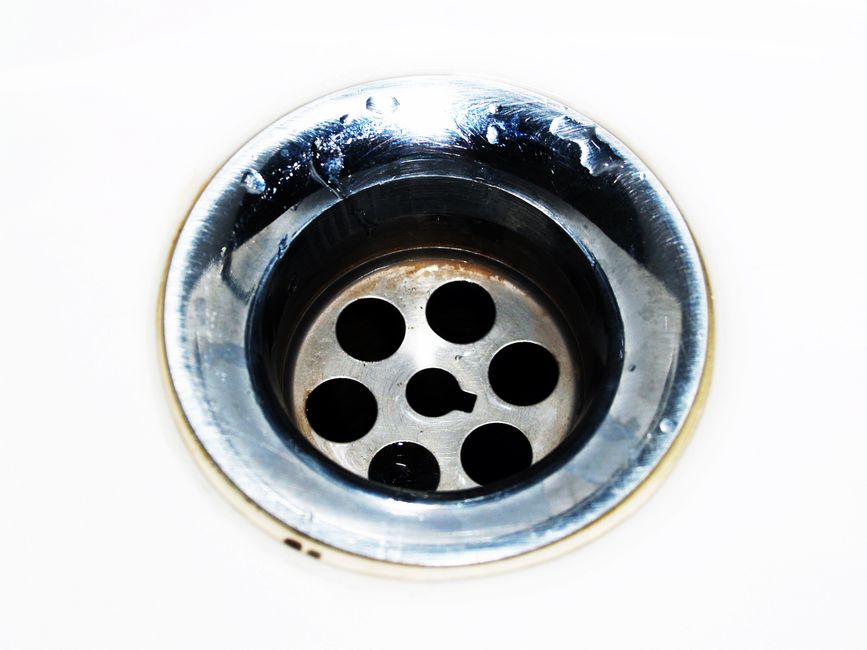
Understand How Grease Builds Up in Drain Lines
Commercial kitchens produce fats, oils, and grease (FOG) constantly. When hot, FOG flows like a liquid. As it travels through pipes, it cools and separates from water. The fats coat pipe walls, food particles stick to that layer, and over time the opening shrinks. What starts as slow drainage can turn into a complete blockage, backups, odors, and health-department complaints.
The problem worsens in floor drains, prep sinks, and dish rooms where solids and grease mix with detergent. Even products labeled biodegradable do not remove buildup safely in every system, and hot water only pushes grease farther down the line before it cools again. Prevention means keeping FOG out of the wastewater stream in the first place.
Keep Fats, Oils, and Grease Out of Sinks and Floor Drains
Every drain in the kitchen is a potential grease trap. Make disposal into the sewer the last resort, not the default.
- Scrape and dry-wipe cookware. Use a rubber spatula or paper towel to remove grease and food residue from pots, pans, and plates before they reach the sink or dishwasher.
- Use sink strainers and floor-drain baskets. Mesh or perforated screens catch solids that can combine with grease. Clean them frequently and empty debris into the trash, not another sink.
- Recycle used cooking oil. Pour fryer oil and grill drippings into approved collection containers. A full-service kitchen-waste provider like Grand Natural can coordinate used cooking oil pickup and grease trap service so FOG never reaches the drain.
- Never pour grease down the toilet or mop sink. It may seem convenient, but it still enters the same sewer line and can cause blockages and compliance issues.
Train Staff on Daily Best Practices
Equipment helps, but clogs usually start with habits. Every shift should understand how one pan of grease can close a drain for the night.
- Post signs at every sink. Simple No Grease reminders above prep, dish, and mop sinks keep disposal rules visible during busy service.
- Pre-rinse the right way. Train dish staff to scrape plates into compost or trash first, then use a low-flow pre-rinse spray only after solids are gone.
- Mop wisely. Mop water can carry grease from floors into floor drains. Sweep floors first, use a degreaser according to manufacturer directions, and dispose of mop water where local regulations allow—not down a drain that bypasses the grease trap.
- Hold short pre-shift reminders. A quick conversation about what went into the trash and what did not can reinforce routines better than a posted policy alone.
Maintain Grease Traps on the Right Schedule
Grease interceptors are the main defense against FOG entering the sewer, but only if they are cleaned before they reach capacity. A trap that is too full lets grease flow straight through.
Frequency depends on how much grease the kitchen generates. High-volume fryers, rotisseries, and griddles fill traps faster than light-prep kitchens. Most operators pump traps when the grease and solids layer is clearly rising toward the outlet, or on a set calendar interval—whichever comes first. Check your manufacturer guidelines and local requirements for specific depth limits. Keep a written log of pump-out dates, waste volume, and condition. If odors, slow drains, or visible grease return quickly after service, shorten the interval.
Between pump-outs, inspect gaskets, lids, and inlet/outlet baffles. A cracked seal or missing baffle defeats the separator and lets FOG escape downstream.
Use Professional Drain and Line Services Before Backup
Even with good habits, some residue will collect in pipes. Preventive cleaning keeps lines open and avoids emergency calls during the dinner rush.
- Hydro jetting. High-pressure water scours the inside of drain lines to remove grease scale and food buildup. It is often more thorough than cable snaking for grease because it cleans the full pipe circumference.
- Camera inspections. A video line inspection shows exactly where grease is accumulating, whether a baffle is broken, or if roots or pipe damage are contributing to slow flow.
- Scheduled line maintenance. Set a recurring appointment with a licensed plumber or kitchen-waste specialist to clean high-risk lines before backups occur.
Coordinating grease trap service, used cooking oil collection, and line jetting through one provider simplifies scheduling. Companies like Grand Natural offer bundled kitchen-waste services that help restaurants stay ahead of clogs without juggling multiple vendors.
Build a Preventive Maintenance Checklist
A written routine turns prevention into a habit and gives managers proof of due diligence during inspections.
- Daily: Empty sink strainers and floor-drain baskets; wipe out greasy pans before washing; check that grease collection containers are closed and not overflowing.
- Weekly: Inspect grease trap inlet/outlet and seals; review staff adherence to FOG disposal rules; clean floor drains with a proper brush if allowed by local requirements.
- Monthly: Measure grease trap solids layer; schedule service if needed; inspect exposed drain lines under sinks for leaks or buildup.
- Quarterly or as needed: Arrange hydro jetting or camera inspection for problem lines; verify that used cooking oil recycling records are current.
Adjust the schedule based on what you find. The goal is to catch problems while they are small. Preventing grease clogs in commercial kitchen drains comes down to keeping FOG out of the water, maintaining grease traps, and cleaning lines before they back up. With clear staff training, daily habits, and a simple maintenance checklist, restaurants can avoid emergency plumbing bills, bad odors, and interruptions to service.
Need service for your kitchen? Grand Natural provides used cooking oil collection, grease trap cleaning, hood cleaning, and kitchen line jetting to restaurants nationwide. Call (855) 519-5550 or request service online.