Published July 20, 2026 · Grand Natural Inc.
FOG Defined: What the Abbreviation Means
FOG stands for fats, oils, and grease. In the restaurant and food-service world, it refers to the organic byproducts that come from cooking meats, frying foods, preparing sauces, washing dishes, and cleaning equipment. FOG can be liquid when hot, but it often cools into a thick, sticky solid that coats pipes, drains, and sewer walls.
Not all FOG looks the same. It includes bacon grease and fryer oil, but it also includes salad dressings, dairy fats, butter, shortening, and fatty food scraps rinsed off plates. Even small amounts washed down a sink can add up quickly in a busy kitchen.
Where FOG Comes From in a Restaurant Kitchen
FOG enters the waste stream from many everyday tasks. Understanding the sources helps kitchen staff spot problems before drains slow or back up.
- Cooking and frying: Deep fryers, griddles, sauté pans, and woks release oils and rendered fats.
- Meat and poultry prep: Trimmings, drippings, and pan juices contain animal fats that solidify as they cool.
- Dairy and bakery items: Butter, cream, cheese, icing, and batters contribute milk fats and shortenings.
- Dishwashing and mop sinks: Residue from pots, plates, and floors rinses into floor drains and sinks.
- Garbage disposals: Grinding fatty scraps sends fine particles into plumbing where they can re-coagulate.
Hot water and detergent may keep FOG liquid long enough to leave the sink, but once it hits cooler sewer lines, it can separate and cling to pipe walls.
Why FOG Is a Problem for Restaurants
FOG is one of the most common causes of costly plumbing and sewer issues in food-service operations. When grease cools, it hardens into blockages known as fatbergs, which reduce flow and can cause backups into kitchens, parking lots, or streets.
The risks go beyond inconvenience:
- Clogged drains and pipes: Grease buildup narrows lines and traps other debris.
- Sewer overflows: Large blockages can force wastewater back through floor drains or manholes.
- Health and safety hazards: Standing grease and backups create slip risks, odors, and potential health-code concerns.
- Equipment damage: Grease accumulation can strain pumps, grease traps, and plumbing fixtures.
- Regulatory and financial penalties: Many jurisdictions fine restaurants that discharge excessive FOG or fail inspections.
Preventing these problems starts with treating FOG as a waste stream that requires its own handling routine, not something that can simply be rinsed away.
How FOG Regulations Affect Restaurants
Most cities and sewer districts have rules limiting how much FOG a commercial kitchen can discharge into the sanitary sewer. These rules vary widely, but they typically cover grease-trap sizing, installation, maintenance frequency, recordkeeping, and allowable discharge limits.
Common requirements include:
- Grease trap or interceptor installation: Many jurisdictions require food-service establishments to install a grease trap sized for their flow and menu type.
- Regular cleaning and pumping: Traps must often be emptied when they reach a set percentage of grease and solids capacity.
- Manifests or service logs: Some agencies require dated records showing when the trap was serviced and where the waste was taken.
- Best management practices: Staff training, dry-wiping dishes, and proper disposal of fryer oil are often part of local programs.
Because rules differ by municipality, always check with your local sewer authority or environmental health department for the standards that apply to your location.
Best Practices for Managing FOG in Your Kitchen
Good FOG management is part of daily kitchen culture. Small habits prevent big problems.
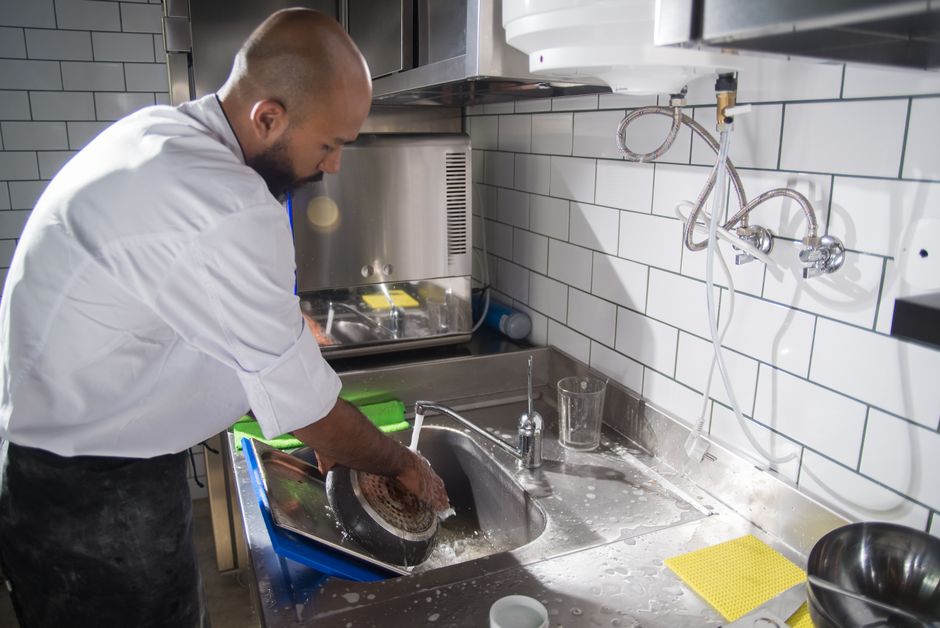
- Scrape and dry-wipe dishes, pots, and pans before rinsing or washing to remove as much grease and food residue as possible.
- Use strainers and screens in sinks and floor drains to catch solids.
- Never pour fryer oil, sauces, or rendered fat down drains. Collect used cooking oil in sealed, leak-proof containers for recycling.
- Route dishwasher discharge properly so high-temperature water does not bypass the grease trap.
- Train staff on what can and cannot go down the drain, and post reminders near sinks.
- Keep maintenance logs for grease trap cleanings, repairs, and oil pickups.
Used cooking oil recycling also supports sustainability efforts. Recycled oil can be refined into products such as biodiesel, animal feed, and industrial materials, turning a waste problem into a resource.
When to Bring in a Professional
Even with strong in-house practices, most restaurants need outside help to stay ahead of FOG. A qualified service provider can pump grease traps and interceptors, clean kitchen exhaust hoods and ductwork, jet clogged lines, and collect used cooking oil for recycling.
Look for a provider that understands your local requirements, documents every service, and can support your schedule during busy periods. Companies like Grand Natural work with restaurants to manage FOG through used cooking oil collection, grease trap cleaning, and related kitchen waste services. Whether you handle everything in-house or partner with a specialist, the goal is the same: keep FOG out of the sewer and your kitchen running smoothly.
Conclusion
FOG may be a normal byproduct of cooking, but it is not a normal part of your wastewater. Knowing what fats, oils, and grease are, where they come from, and how to control them protects your plumbing, keeps you in compliance, and reduces costly surprises. Build FOG awareness into your daily routine, follow local rules, and work with experienced professionals when needed.
Need service for your kitchen? Grand Natural provides used cooking oil collection, grease trap cleaning, hood cleaning, and kitchen line jetting to restaurants nationwide. Call (855) 519-5550 or request service online.