Published October 7, 2026 · Grand Natural Inc.
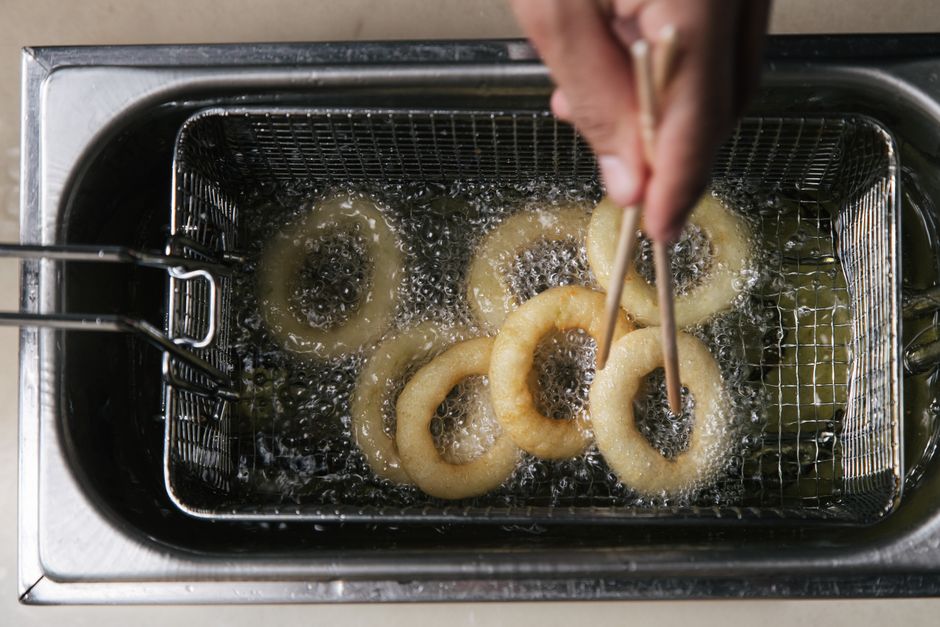
Restaurant grease recycling covers two very different materials. The industry calls them yellow grease and brown grease. Understanding the difference explains why one is often collected for free or even paid for, while the other is a service you pay to have removed, and why keeping them apart matters.
What yellow grease is
Yellow grease is used cooking oil: the oil drained from fryers after it is spent. It is mostly fat with relatively little water or solids, which makes it a valuable raw material. Restaurants store it in a dedicated container until a collection truck picks it up.
What brown grease is
Brown grease is the material that collects in grease traps and interceptors. Fats, oils and food solids wash down sinks and drains, cool, and separate from the wastewater. What builds up is a mix of grease, food waste and water, often with soap and cleaning chemicals. It has a lower fat content and needs significant processing before anything useful can be recovered.
How yellow grease is recycled
After collection, yellow grease goes to a processor that heats, settles and filters it to remove water and solids. The cleaned product is then sold as a feedstock. Its biggest markets today are:
- Biodiesel and renewable diesel, where used cooking oil is a sought-after low-carbon feedstock
- Sustainable aviation fuel, a growing market for the same material
- Industrial uses such as oleochemicals, soaps and lubricants
Because buyers pay for clean feedstock, collectors can often offer free pickup and, for high-volume kitchens, rebates. Learn more about how fryer oil becomes biodiesel.
How brown grease is recycled
Brown grease must be pumped by a licensed hauler and taken to a facility permitted to accept it. Depending on the region, it may be dewatered and processed to separate recoverable fats, or sent to anaerobic digesters at wastewater treatment plants, where it produces biogas that can generate energy. Some is treated and disposed of. Because the material is mostly water and needs heavy processing, the restaurant pays for pumping and disposal.
Why restaurants are paid for one and pay for the other
| Yellow grease (fryer oil) | Brown grease (trap waste) |
|---|---|
| Mostly oil, little water | Mostly water with fats and solids |
| Stored in a collection container | Collects in the grease trap or interceptor |
| Valuable fuel feedstock | Needs treatment before recovery |
| Free pickup, rebates possible | Paid pumping service |
Keep the streams separate
The single most important rule is never to mix them. Grease trap waste poured into a fryer oil container contaminates a recyclable load with water and solids. That can lower its value, get a load rejected and create a mismatch between what your records say and what was actually collected. Use separate equipment for each, and do not let staff use the oil container as a catch-all.
How to know your grease is really recycled
Ask your provider what happens to each stream after it leaves your kitchen, and request service records that show volumes and dates. A reputable company can explain where your yellow grease is processed and where your trap waste is taken. Records also protect you during health inspections and local grease-control program audits.
One provider for both
Grand Natural collects used cooking oil and provides grease trap cleaning and pumping for restaurants nationwide, with separate handling and digital records for each stream.
Need service for your kitchen? Grand Natural provides used cooking oil collection, grease trap cleaning, hood cleaning, and kitchen line jetting to restaurants nationwide. Call (855) 519-5550 or request service online.