Published October 7, 2026 · Grand Natural Inc.
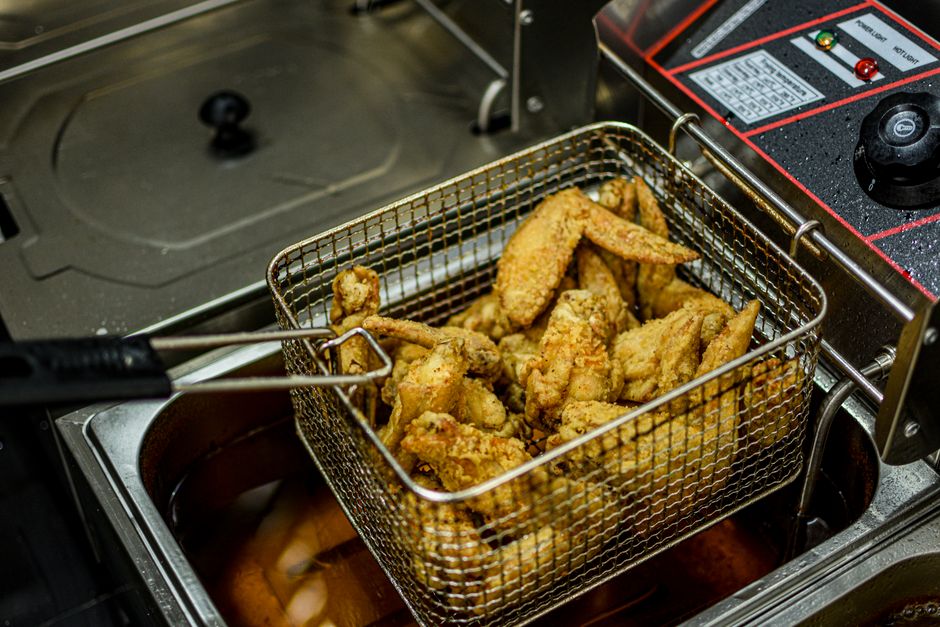
Fryer oil is one of the most expensive consumables in a commercial kitchen, and most of what shortens its life is avoidable. Breading, batter crumbs and food particles sit in hot oil, burn, and speed up the chemical breakdown that turns clean oil dark, foamy and bitter. Filtration removes that debris before it does the damage. Done consistently, it lets a kitchen run the same oil longer without hurting food quality.
Why unfiltered oil breaks down faster
Every batch of fried food leaves something behind: crumbs, starch, moisture and seasoning. At frying temperatures those particles carbonize. Burnt solids darken the oil, add off-flavors and act as a catalyst for the oxidation that produces free fatty acids and polar compounds. Water from frozen product makes it worse by promoting hydrolysis. The result is oil that smokes at a lower temperature, foams, and transfers a stale taste to food.
Filtration does not reverse breakdown that has already happened, but it removes the material that drives it. That is why two kitchens using the same oil and the same fryers can get very different life out of a vat.
How often to filter
There is no single rule that fits every kitchen, but these are reasonable starting points:
- High-volume or heavily breaded menus (fried chicken, fish, breaded appetizers): filter at least once per shift, and many operators filter after every peak period.
- Moderate volume (fries plus a few fried items): filter at least once a day, usually at close.
- Low volume: filter daily on days the fryer is used, even if the oil looks clean.
Breaded proteins shed far more debris than fries, so a fryer dedicated to chicken needs more attention than a fry station. If you share fryers between menu items, filter after the heavier product.
Filtration methods compared
Built-in fryer filtration
Many commercial fryers include an onboard filtration system that drains the vat through a filter pan and pumps the oil back. Because it is quick, staff actually use it, which is the biggest factor in results.
Portable filter machines
Mobile filter units serve fryers without built-in systems. They work well but take more time and handling of hot oil, so they need a clear routine and trained staff.
Filter media
Paper envelopes, pads and filter powders capture particles of different sizes. Filter powder can also absorb some of the compounds that cause breakdown. Follow your fryer manufacturer's guidance on which media fits your system.
When filtering is no longer enough
Filtering extends oil life, but oil still has to be replaced. Watch for:
- Dark color that does not improve after filtering
- Persistent foaming or smoking at normal cooking temperature
- A sharp, rancid or fishy smell
- Food that browns too fast or tastes off
Many kitchens use test strips or handheld meters that measure total polar materials (TPM). A reading in the mid-20 percent range is widely treated as time to change the oil, and several countries use a limit in that range in their food-safety rules. A meter turns a judgment call into a number your whole team can follow.
Safety basics
Filtration means moving oil at temperatures that cause serious burns. Let oil cool to the temperature your equipment manufacturer specifies before draining, wear heat-resistant gloves and eye protection, keep floors around fryers dry, and never leave a filter cycle unattended. Write the procedure down and train every new hire on it.
What happens to the oil when you change it
Spent fryer oil should go into a dedicated used cooking oil container, never down a drain or into the trash. Keeping it free of water, food scraps and trash matters: clean, dry oil is easier to recycle into biofuel, and higher-quality oil is what qualifies kitchens for rebates in many markets. Good filtration habits help here too, because oil that was filtered regularly arrives in the container with fewer solids.
Grand Natural provides free used cooking oil collection with containers sized to your kitchen and scheduled pickups. For tips on keeping the container clean and secure between pickups, see our guide to cooking oil storage best practices.
The bottom line
Filter on a fixed schedule, filter more often for breaded products, measure oil quality instead of guessing, and recycle spent oil properly. Those four habits lower oil costs, protect food quality and keep your kitchen safer.
Need service for your kitchen? Grand Natural provides used cooking oil collection, grease trap cleaning, hood cleaning, and kitchen line jetting to restaurants nationwide. Call (855) 519-5550 or request service online.